Introduction
For decades, it has been well established that gluten — along with similar proteins such as hordeins in barley and secalins in rye — found in foods made from wheat, barley, rye, oats, or spelt is not suitable for a significant portion of the population.
Among the most affected are infants in their early months of life and individuals of all ages who develop gluten hypersensitivity, which may manifest as gluten intolerance or celiac disease.
What Is Celiac Disease?
Celiac disease and its skin manifestation, dermatitis herpetiformis, are conditions caused by an abnormal immune response to gluten.
When a person with celiac disease consumes foods containing gluten (or foods that have been in contact with it), the lining of the small intestine becomes damaged. In a healthy intestine, villi are microscopic structures that maximize nutrient absorption. However, in celiac patients, these villi become atrophied and damaged, preventing proper absorption of essential nutrients.
What Happens in the Intestine?
Gluten proteins, especially gliadins and glutenins, trigger an immune response that leads to:
- Progressive damage to intestinal villi
- Reduced absorption of nutrients such as vitamins, iron, and calcium
- Clinical symptoms ranging from malabsorption to anemia and chronic fatigue
This explains why many individuals with celiac disease experience nutritional deficiencies, even when their dietary intake appears adequate.
How Many People Have Celiac Disease?
The prevalence of celiac disease has increased in recent decades across Europe. In Spain alone, it is estimated to affect over 500,000 people, with variations across European countries, including Portugal and other regions of the European Union.
Although it can appear at any age, two common diagnosis peaks are observed:
- Between 6 and 10 years of age
- Between 20 and 40 years, where many individuals likely had the condition since childhood but without clearly recognizable symptoms until later
Is There a Treatment for Gluten Intolerance?
Currently, there is no medication that cures gluten intolerance or celiac disease. The only effective treatment is a strict lifelong gluten-free diet.
A properly managed gluten-free diet may sometimes require supplementation with:
This is particularly important during periods of nutritional deficiency or in vulnerable populations.
What Does “Gluten-Free” Really Mean?
In Europe, food regulations require that products labeled as “gluten-free” comply with limits established by the Codex Alimentarius and EU legislation.
There are two important categories:
🟡 Processed “Gluten-Free” Flours
These products may contain up to 200 parts per million (ppm) of gluten according to Codex Alimentarius standards.
👉 For many celiac patients, 200 ppm is still too high and may trigger symptoms.
🟢 Naturally Gluten-Free Products
These are products that do not contain gluten in their origin and must not exceed 20 ppm.
This limit is recommended by organizations such as:
- AOECS (Association of European Coeliac Societies)
- European gluten-free food regulations
However, even naturally gluten-free products can be subject to cross-contamination during processing if strict controls are not applied.
🔎 Therefore, always checking labels and certifications is essential, especially for highly sensitive individuals.
Our Commitment to Quality and Safety
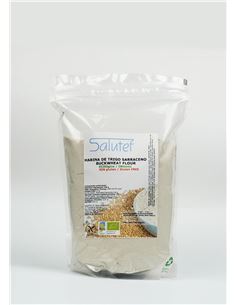
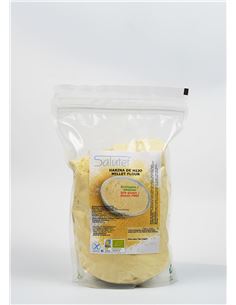
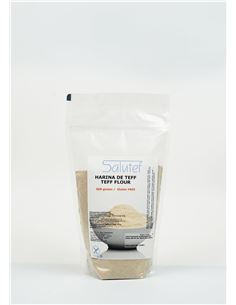
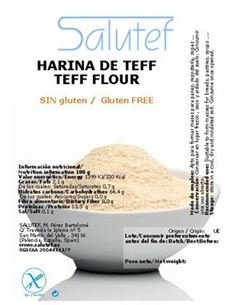
At SALUTEF, we place the highest importance on ensuring that our products:
- Do not exceed ≥ 20 ppm of gluten contamination
- Meet strict quality control standards
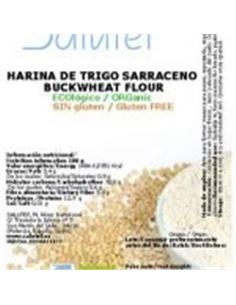
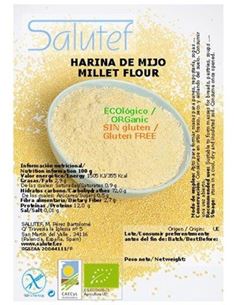
- Carry official gluten-free certification
We currently operate under the European Licensing System (ELS) certification, in accordance with the AOECS Standard for Gluten-Free Foods, recognized by the Spanish Federation of Celiac Associations (FACE).
License numbers (e.g., ES-0176-XXX) allow our products to legally display the “Gluten-Free” label, ensuring transparency and consumer trust.
Conclusion
Celiac disease is a chronic condition that requires continuous management. The only effective way to prevent symptoms and long-term complications is to follow a strict gluten-free diet, using products that do not exceed 20 ppm of gluten and are backed by official certification.
In a market where food safety and health are top priorities, choosing products with strict controls and recognized certifications is essential for both celiac patients and families seeking safe, contamination-free nutrition.
 English
  Español
 Português PT
 Français